
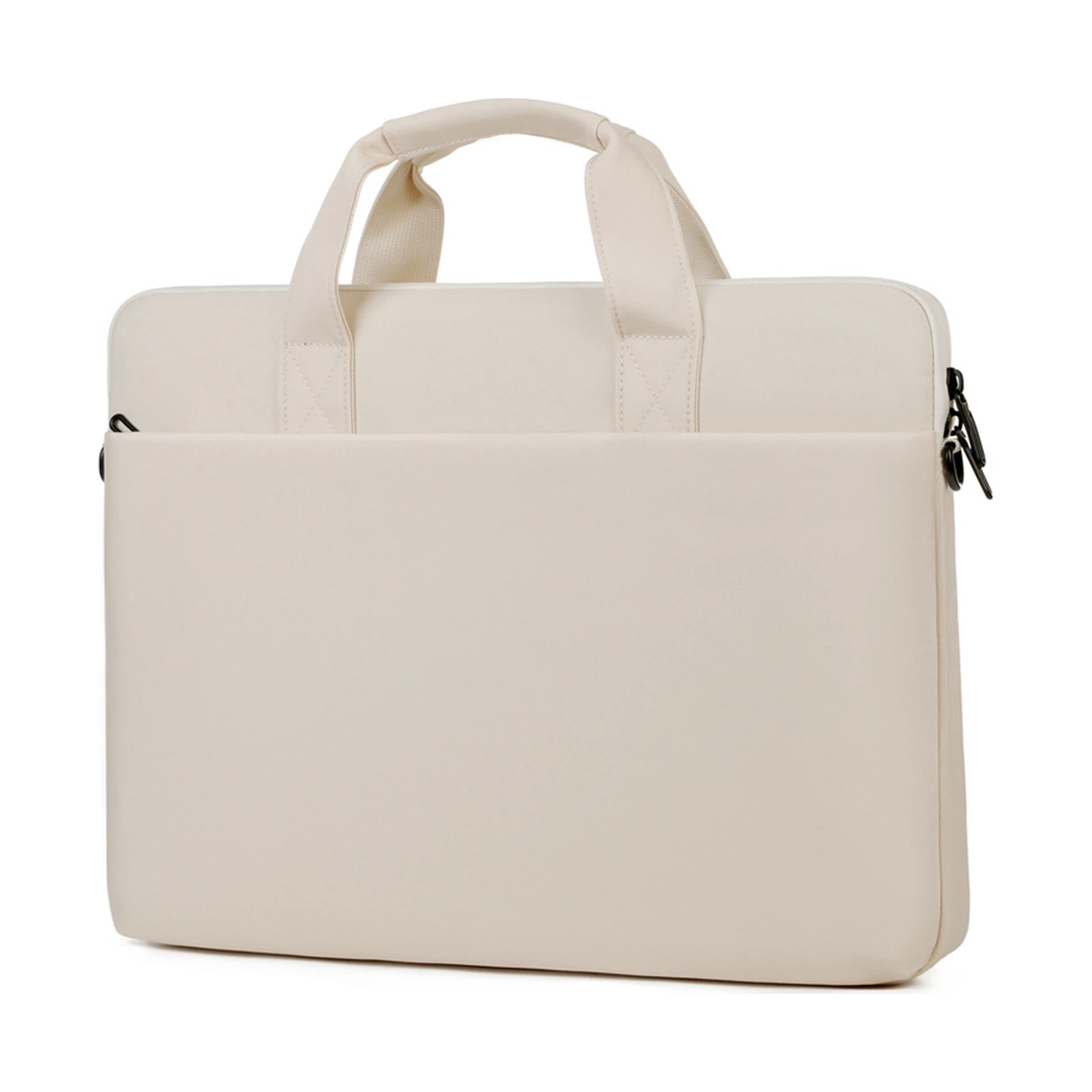
Finding a custom laptop bags supplier is relatively easy. Finding one that can translate a brief into the right device fit, branding method, sample and repeatable bulk order takes more work.
For importers, promotional distributors, corporate gifting teams and private-label brands, the biggest sourcing risks usually appear between the first quotation and the approved production sample. An unclear specification can produce a low initial price while leaving important details—padding, internal dimensions, logo workmanship, packaging and inspection standards—open to interpretation.
This guide explains how MOQ, sampling, branding and lead time work together when sourcing custom laptop bags. If you already have a product direction, review the WGX custom laptop bag program or browse the wholesale laptop bag catalog.
Start with the purchasing program, not the logo
A supplier cannot recommend the right construction from a logo file alone. The same artwork may be used on a lightweight conference sleeve, an employee briefcase, a commuter backpack or a retail-ready business bag. Each program creates different requirements for protection, organization, appearance, packaging and price.
Before asking for a quotation, define these five points:
- End user: employees, conference attendees, students, sales teams, travelers or retail customers.
- Device requirement: maximum laptop length, width and thickness—not only the advertised screen size.
- Distribution method: individual shipment, event handout, corporate kit, retail display or distributor inventory.
- Target quantity: total units and the number of colors or artwork versions.
- Delivery destination and required date: the country, postal region and latest acceptable arrival date.
These details allow the supplier to separate essential requirements from optional features. They also make quotations from different suppliers easier to compare.
How custom laptop bag MOQ really works
MOQ is not determined by the bag alone. It is affected by the number of colors, custom materials, logo method, hardware, packaging and how much of an existing design must change.
| Project type | Typical development level | Main MOQ drivers |
|---|---|---|
| Existing style with logo | Logo placement and basic packaging | Available stock, decoration method and artwork colors |
| Existing style with color changes | Fabric, lining or trim color adjustments | Material availability and dye-lot or fabric minimums |
| Modified existing style | Pocket, padding, strap or size revisions | New pattern work, component sourcing and production complexity |
| Fully custom OEM design | New construction, materials, trims and packaging | Tooling, custom components, material minimums and testing needs |
WGX BAGS currently lists trial orders from 20 pieces for selected custom laptop bag projects. This is subject to the chosen product and customization requirements. A custom fabric color, molded component or specialized packaging may require a different minimum, so the final MOQ should always be confirmed against the complete specification.
When comparing suppliers, ask whether the stated MOQ applies per order, per color, per size or per artwork. A quotation for 100 units divided across five colors is not operationally equivalent to 100 units in one color.
Choose the right laptop bag format
The format should follow the way the end user carries the device and accessories.
- Laptop sleeve: suitable for device bundles or lightweight protection inside another bag. Confirm foam coverage, zipper clearance and internal fit.
- Laptop briefcase: suited to office teams, sales staff and corporate programs. Check handle reinforcement, shoulder strap attachment, organization and trolley compatibility.
- Laptop backpack: useful for commuting and hands-free travel. Review shoulder straps, back padding, load distribution and the location of the device compartment.
- Convertible business bag: supports more than one carry mode but requires careful checks for balance, removable straps and unused-strap storage.
For reference, the WGX-730 padded briefcase offers a slimmer business format with a trolley sleeve, while the WGX-2521 dual-compartment briefcase provides more separation for work essentials. Buyers considering a backpack format can also review the WGX-8009 business laptop backpack.
Specify laptop fit with dimensions, not screen size alone
Two laptops advertised as 15.6-inch models may have different external dimensions. A sourcing brief should state the maximum device length, width and thickness, along with any protective shell that will remain on the device.
Ask the supplier to confirm:
- Finished internal compartment dimensions
- Foam location and approximate thickness
- Base, corner and side-wall protection
- Closure clearance around the device
- How the compartment limits movement during carrying
- Whether the sample will be checked against the target device dimensions
For mixed-device corporate programs, specify the largest device that must fit and the acceptable movement for smaller devices. A single oversized compartment may technically fit every laptop while providing poor protection for most users.
Plan the sample before approving production
A digital mockup is useful for checking logo placement and general color direction, but it cannot confirm device fit, material feel, zipper operation or workmanship. Treat the physical sample as a decision gate rather than a visual formality.
| Sample stage | What to check | What to record |
|---|---|---|
| Digital layout | Logo size, location, color direction and packaging layout | Artwork version and placement measurements |
| Material review | Fabric, lining, foam, webbing, zipper and hardware | Approved swatches, colors and component references |
| Development sample | Dimensions, device fit, construction, comfort and appearance | Revision list with photos and measurements |
| Approved sample | All agreed corrections and final branding | Signed or otherwise documented approval standard |
| Pre-production confirmation | Bulk materials, colors, labels and packaging | Final specification and inspection criteria |
For every requested change, state the old condition, the new requirement and how approval will be verified. “Improve the padding” is ambiguous; “add foam to the base and confirm the finished thickness on the revised sample” is actionable.
Match the logo method to the material and use
The best branding method depends on artwork detail, fabric construction, expected wear, order quantity and the desired market position.
- Embroidery: commonly used for corporate programs and woven fabrics. Confirm finished size, stitch coverage, thread colors and backing.
- Screen printing: suitable for bold artwork on compatible surfaces. Confirm color count, print location and abrasion expectations.
- Heat transfer: useful for detailed or multicolor artwork when the selected fabric and coating are compatible.
- Woven label: creates a repeatable branded component and can suit a more understated appearance.
- Rubber or debossed patch: can add dimension but may require tooling and additional development time.
- Custom zipper pull or hardware: provides integrated branding but can increase MOQ, tooling cost and lead time.
Request a visual layout before sampling and approve the actual workmanship on the physical sample. Screen colors are not a reliable final color standard.
What should be included in a supplier quotation?
A useful quotation should make the assumptions visible. Comparing only the unit price can hide differences in material, packaging, sample terms and delivery scope.
Ask the supplier to confirm:
- Product reference and specification version
- Quantity by color, size and artwork
- Exterior material, lining, padding and key hardware
- Logo method, size, colors and location
- Individual and master-carton packaging
- Sample type, fee, timing and shipping responsibility
- Unit-price basis and applicable trade terms
- Production timing and the event that starts the schedule
- Inspection method and acceptable tolerance
- Quotation validity and payment terms
Make sure every supplier is pricing the same specification. A lower price based on thinner padding, different hardware or bulk packing is not a like-for-like comparison.
How to plan production lead time
Lead time should be treated as a sequence, not one number. The total sourcing schedule may include specification review, artwork confirmation, material sourcing, sample development, buyer approval, bulk production, inspection and transport.
The following factors commonly change the schedule:
- Custom-dyed fabric or non-standard colors
- New molds, hardware or zipper pulls
- Multiple sample revisions
- Complex logo or packaging approvals
- Testing or documentation requirements
- Peak production periods and factory holidays
- Air, sea or express shipping availability
Ask what event starts the quoted production period. It may begin only after sample approval, deposit receipt and confirmation that all materials are available. Work backward from the required arrival date and keep time for inspection and transport disruption.
Quality checks for custom laptop bags
The inspection standard should reflect the product’s intended use. At minimum, review:
- Finished dimensions and laptop-compartment dimensions
- Material, lining, foam and approved color
- Logo position, size, color and workmanship
- Zipper operation and puller attachment
- Handle, shoulder strap and attachment-point stitching
- Pocket layout and component placement
- Loose threads, stains, damage and visible sewing defects
- Individual packaging, labels, carton quantity and carton marks
If water resistance, recycled content, load capacity or another performance claim is important, define the required evidence and test method before using the claim in marketing. Material names alone do not prove finished-product performance.
A practical RFQ template for custom laptop bags
Copy the following information into your request for quotation:
- Buyer/company:
- Target market and end user:
- Reference product or image:
- Required quantity by color:
- Maximum laptop dimensions:
- Exterior material and preferred color:
- Required pockets, padding and carrying features:
- Logo artwork, size and preferred position:
- Packaging requirement:
- Delivery destination:
- Required arrival date:
- Testing or compliance requirements:
- Target price, if applicable:
Providing this information at the beginning reduces quotation revisions and helps the supplier identify whether an existing style, a modified product or a new OEM development is the most practical route.
Questions to ask before selecting a custom laptop bags supplier
- Is the quotation based on an existing product, a modified style or a new pattern?
- What exactly does the MOQ apply to?
- Which materials and components are confirmed, and which remain provisional?
- How will the target laptop fit be checked?
- What is included in the sample fee and revision process?
- What starts the production schedule?
- How are bulk materials and colors approved?
- What quality checks will be performed before shipment?
- Which packaging and shipping terms are included in the price?
- How will repeat orders be matched to the approved specification?
For a broader manufacturer-comparison checklist, read How to Choose a Custom Laptop Bag Manufacturer.
Request a custom laptop bag quotation
WGX BAGS supports custom laptop bag projects for distributors, corporate programs and brands. You can begin with an existing product or send a reference image and a new brief. Free visual mockups can be prepared for logo placement, colors, selected structural details and packaging direction before sampling.
Send your logo, quantity and destination
Frequently asked questions
What is the MOQ for custom laptop bags?
WGX BAGS lists trial orders from 20 pieces for selected projects, subject to the product and customization requirements. Custom fabric colors, molded components, special hardware or retail packaging may require a different minimum.
Can I add a company logo to an existing laptop bag?
Logo feasibility depends on the artwork, material, placement, method and quantity. A digital placement layout should be reviewed first, followed by approval of the physical sample.
How long does a custom laptop bag order take?
The complete schedule depends on specification approval, material availability, sample revisions, quantity, production capacity and shipping method. Ask the supplier to separate sample time, production time and transit time, and confirm what event starts each period.
What information is needed for a quotation?
Provide the reference product, quantity by color, target device dimensions, logo file, intended use, packaging requirement, destination and required arrival date. Include testing or documentation needs at the beginning.
Should I approve a physical sample?
Yes. A digital mockup cannot confirm device fit, material feel, zipper operation, padding or sewing quality. The approved physical sample and written specification should define the bulk-production standard.